Things to see and do

A few highlights across Dungeness, Romney Marsh and the Kent coast. Get in touch if you'd like any other recommendations during your stay.

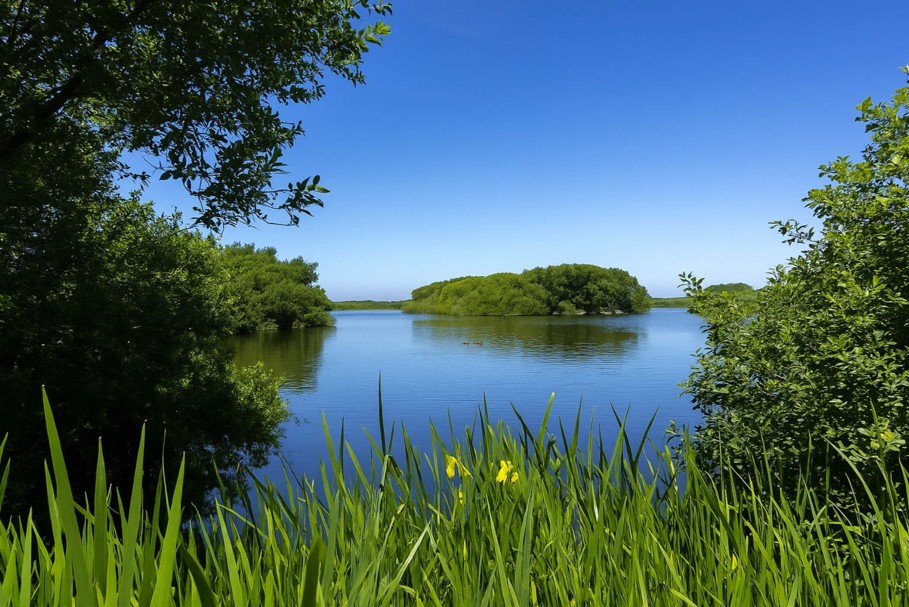
Dungeness National Nature Reserve

Channel View and the wider Dungeness estate sit at the heart of the Dungeness National Nature Reserve, a striking landscape where sea, shingle and sky stretch for miles. A walk across the expansive pebble beach reveals unexpected fragments of the past: relics of traditional fishing practices, remnants of military structures from the Napoleonic era and the Second World War, and both historic and modern lighthouses standing as sentinels against the horizon. The reserve is internationally recognised for its unusual biodiversity, sheltering rare birds, insects and plant species uniquely adapted to its harsh environment.

The Dungeness estate borders the Dungeness RSPB Reserve, the oldest RSPB reserve in the country. Spring and autumn bring a dramatic passage of migrating birds, while winter attracts vast flocks of waterfowl that can be spotted from the visitor centre or one of the many hides scattered throughout the wetlands. Photographers and nature enthusiasts will find endless opportunities to observe wildlife at close range.
Romney, Hythe & Dymchurch Railway

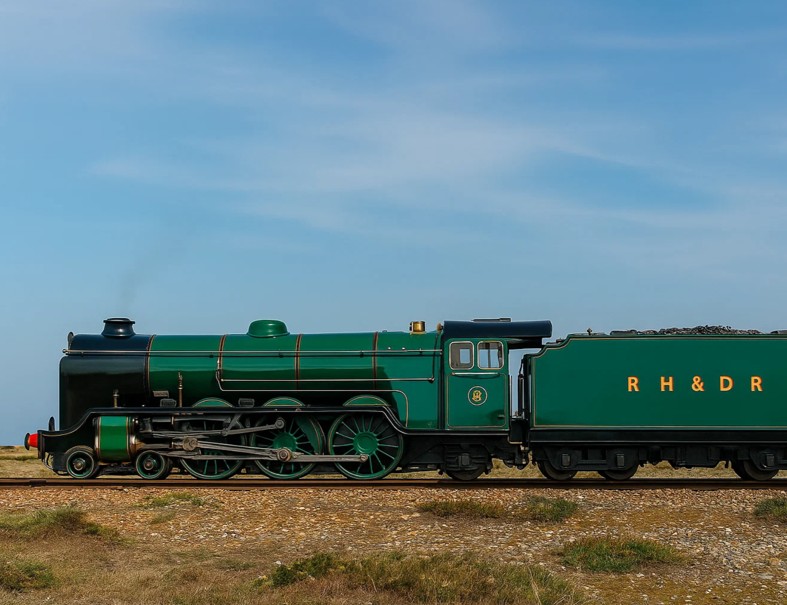
For over ninety years, the Romney, Hythe & Dymchurch Railway has delighted visitors with its world-famous miniature locomotives, travelling the fifteen-inch gauge line between the Cinque Port town of Hythe and the wild shingle of Dungeness.

The lovingly maintained fleet of steam and combustion engines wind their way through charming coastal settlements, stopping at Hythe, Dymchurch, St Mary’s Bay, New Romney, Romney Sands and finally Dungeness. Along the route, cafés are found at Hythe, New Romney and Dungeness, and on selected services a licensed bar is available, making it easy to settle in, enjoy the scenery and soak up the nostalgic atmosphere.

Whether you travel the full line or hop on and off to explore the towns along the way, the RH&DR is a charming and unforgettable experience for visitors of all ages.

Old Dungeness Lighthouse

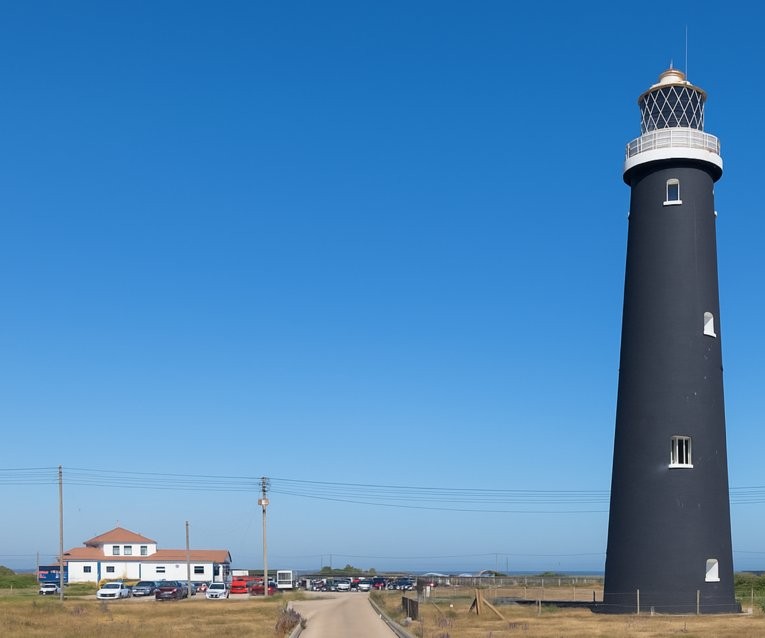
Towering over the shingle landscape, the Old Dungeness Lighthouse is a handsome Grade II listed building and a striking reminder of Britain’s maritime past. Construction took three years, and in 1904 it was opened by His Royal Majesty the Prince of Wales. For more than half a century, until it was decommissioned in 1960, the lighthouse served as a vital beacon guiding vessels safely through the English Channel.

Today, the Old Lighthouse opens to visitors during the summer months, inviting guests to climb its spiral staircases and learn about life at sea, the evolution of coastal navigation and the unique heritage of the Dungeness headland. From the lantern room, panoramic views stretch across the nature reserve, the Romney Marsh landscape and the distant coastline—an unforgettable vantage point for photographers, history enthusiasts and curious travellers alike.

Romney Marsh Churches

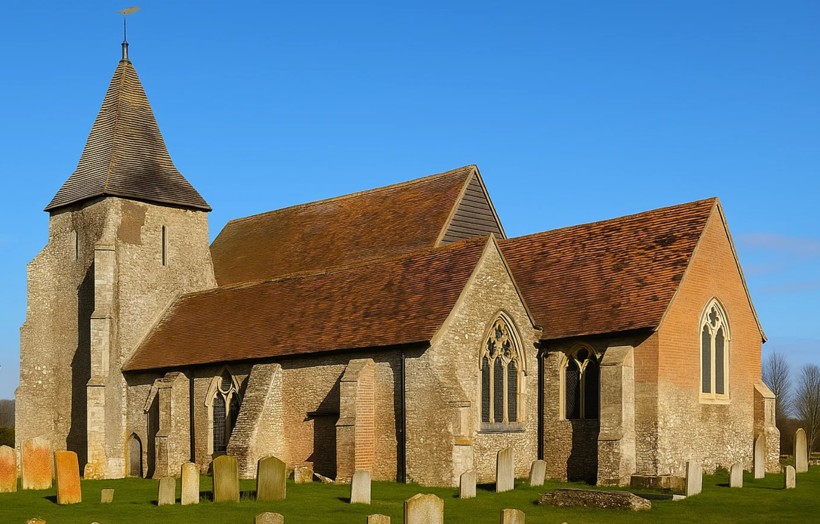
Dungeness lies at the far southern edge of the Romney Marsh, making it an ideal base for exploring the many remarkable medieval churches scattered across this dramatic landscape. The marshes have been shaped for centuries by shifting seas, winds and land reclamation, and the churches that remain stand as enduring markers of human resilience and faith.

Among the highlights is the impressive 15th-century church of “Cathedral of the Marsh” in Lydd. Also notable is the Norman St Nicholas Church in New Romney, built in the 12th century and rich with historic architectural details. Beyond these iconic landmarks, dozens of smaller churches and near-forgotten ruins are tucked away in villages and fields, each with its own story of pilgrims, smugglers and medieval life. Visitors should also look out for Art in Romney Marsh, a series of contemporary installations and pop-up events hosted in select churches, offering a striking modern counterpoint to the ancient spaces.

Port Lympne (Aspinall Foundation)

Set within rolling parkland overlooking the English Channel, Port Lympne is a conservation-focused wildlife reserve where more than 700 rare and endangered animals roam. Operated by the Aspinall Foundation, the park is dedicated to the protection of species such as tigers, lions, leopards, bears and gorillas, and plays an active role in international breeding and rewilding programmes.

Guided safari trucks take guests through expansive enclosures where herds of animals graze, roam and interact, bringing an unexpected slice of Africa to the Kent countryside. Families will also enjoy exploring the UK’s largest dinosaur collection, with life-size prehistoric models hidden among woodland paths and open clearings. Between the conservation messaging, the sweeping views and the chance to see wildlife up close, Port Lympne offers a full and memorable day out.

Great Dixter

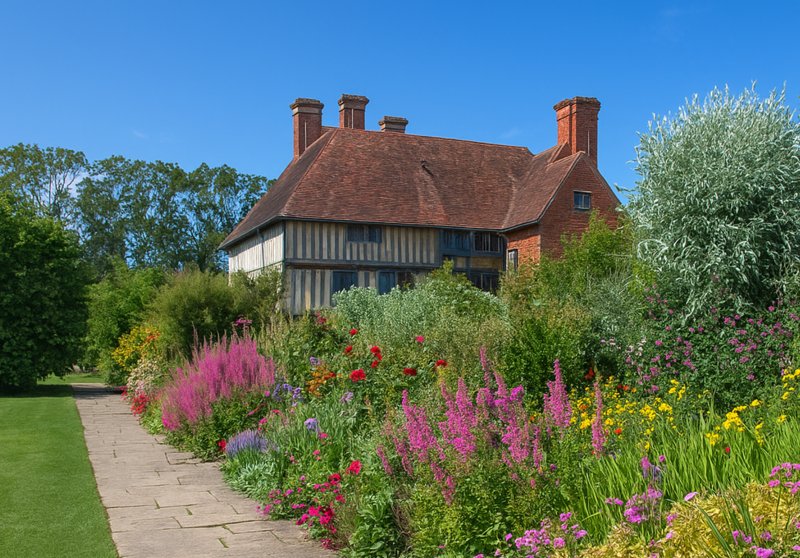
Great Dixter is both a historic house and a horticultural landmark, once the beloved home of renowned gardener and author Christopher Lloyd. The timber-framed manor, parts of which date back to the 15th century, sits amidst gardens that blend medieval structure with bold, modern planting design. Under the care of the Great Dixter Charitable Trust, the estate continues to champion Lloyd’s philosophy of exuberant, experimental gardening. Visitors can wander through long borders overflowing with colour, formal topiary shapes, wildflower meadows and intimate garden rooms that shift with the seasons. The house itself reveals traces of Lloyd’s family life, including the craftsmanship of architect Edwin Lutyens, who shaped parts of the property.

Whether you are a serious gardener or simply someone who enjoys beautiful landscapes, Great Dixter offers inspiration, tranquillity and a rare window into one of Britain’s most influential gardening traditions.

White Cliffs of Dover

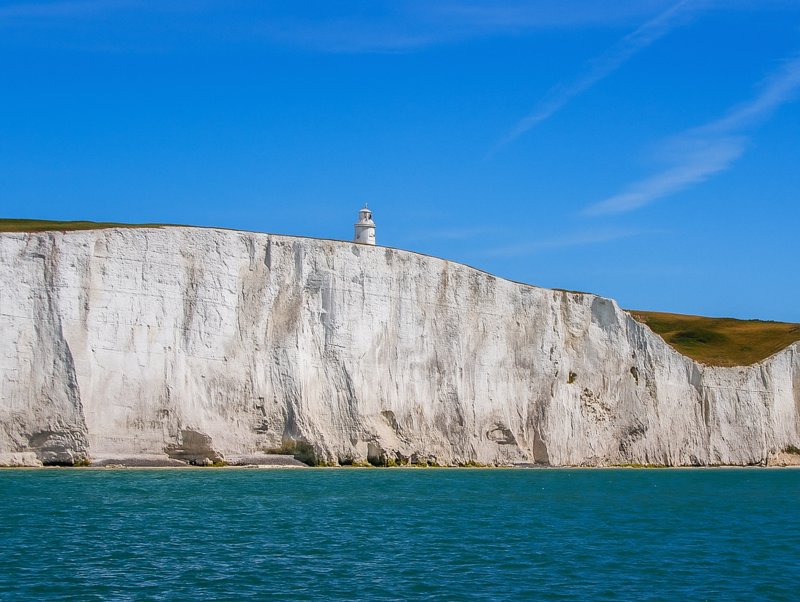
The White Cliffs of Dover are one of England’s most treasured natural icons, rising up to 110 metres from the shoreline and stretching nearly eight miles along the coast. Their brilliant white façade comes from the chalk bedrock, formed millions of years ago from ancient marine organisms, and it is impossible not to be impressed by the sheer cliffs as they fall steeply to the sea below.

Visitors can follow a network of walking trails that trace the cliff tops, revealing sweeping views of the English Channel, the ferries gliding between Britain and France, and the rolling countryside inland. Nature lovers will spot seabirds nesting among the cliffs and wildflowers blooming along the grassy paths. The area is perfect for long walks, photography excursions or a picnic with the dog, offering a dramatic vantage point over one of the most historically significant gateways to England.

Rye

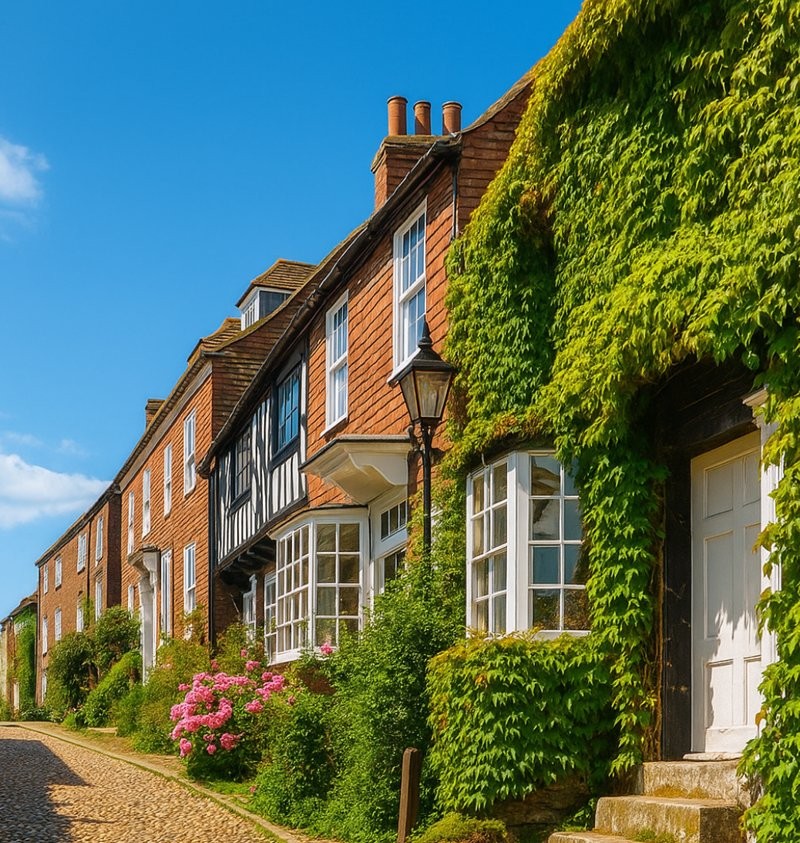
The medieval town of Rye rises gently above the marsh, its narrow, cobbled lanes lined with half-timbered houses that have stood for centuries. From the moment you enter the town, there is a sense of stepping into a preserved world, where salt-washed rooftops lean toward one another and windows glow softly in the afternoon light.

Once a fortified port, Rye retains an atmosphere of old-world charm, where every corner reveals a new detail: weathered beams, hidden courtyards, antique shops and cosy tearooms tucked behind crooked doorways. Independent galleries showcase local artists and craftspeople, while traditional pubs offer hearth-warmed alcoves and locally brewed ales. Even on quiet days, the streets hum with the gentle rhythm of residents, visitors and shopkeepers.

The handsome red-brick Lamb House, once home to writer Henry James, is a highlight for literary enthusiasts and often hosts seasonal exhibitions.

The 14th-century Ypres Tower, built as part of Rye’s defences, now houses the Rye Castle Museum, telling the story of local smuggling, maritime trade and community life.

From Mermaid Street’s postcard-perfect slope to the quiet pathways behind the churchyard of St Mary’s, a leisurely afternoon wandering Rye’s steep streets and galleries feels like stepping back in time.

Hastings

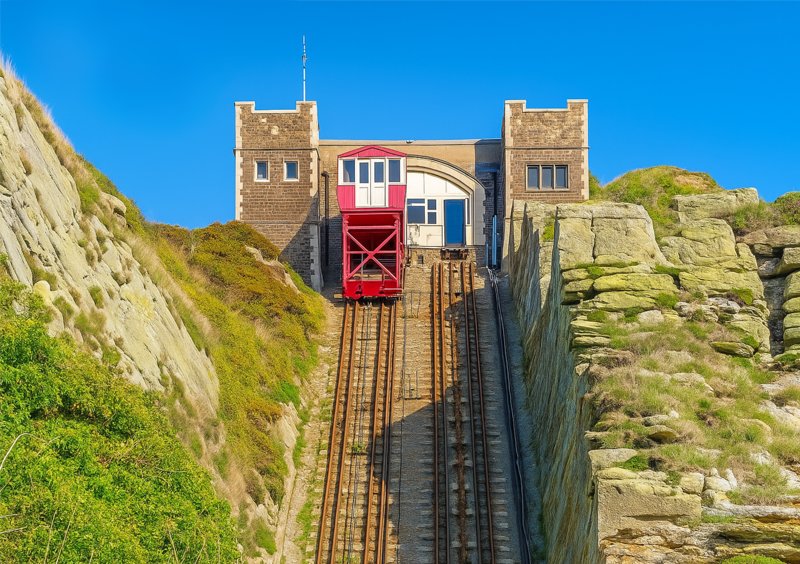
Hastings is a vibrant seaside town shaped by centuries of history and culture. Best known for the 1066 Battle of Hastings—fought on nearby ground now occupied by Battle Abbey—the town itself bears the imprint of the Norman conquest. The ruins of Hastings Castle sit high on a cliff overlooking the old quarter, once the fortress of William the Conqueror.

Along the shingle shoreline, the Stade fishing beach is still home to one of Britain’s largest beach-launched fishing fleet, and visitors can step inside the Fishermen’s Museum or Shipwreck Museum to learn about the area’s maritime heritage.

Hastings is also a treasure trove for browsing: the old town streets are dotted with antique, vintage and secondhand shops, alongside independent cafés and pubs. Art lovers will appreciate the contemporary exhibitions at the Jerwood Gallery, and the town’s lively cultural calendar ensures there is always something to discover.

Eating and shopping local

Dungeness Fish Hut

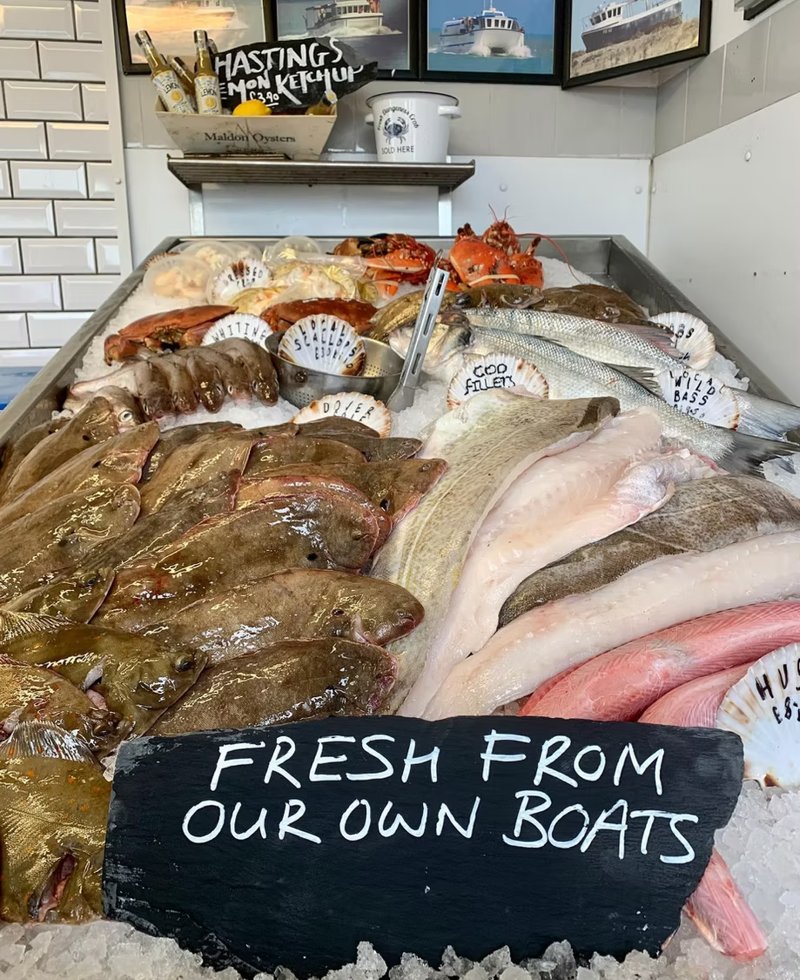
Just a few minutes’ walk from Channel View, the Dungeness Fish Hut is a local institution, selling freshly caught fish sourced by a family who have worked these waters for generations. The hut’s no-nonsense counter reflects the straightforward, practical nature of life on the headland—one of the best places to buy seasonal fish straight off the boats, in our opinion!

Depending on the day and time of year, you’ll find sole, dabs, plaice, bass, scallops, lobster, crabs and other catch landed that morning. The team are always happy to offer preparation advice and cooking tips, making it easy to plan supper back at the house or stock up for a barbecue.

(If you’re staying with us in a month that contains an 'r', you might find this recipes page an inspiration—we certainly do!)

Whether you’re after something specific or just browsing to see what has come in that day, the Fish Hut offers a genuine link to Dungeness’ working fishing community and the maritime traditions that continue to shape the area.

Dungeness Snack Shack

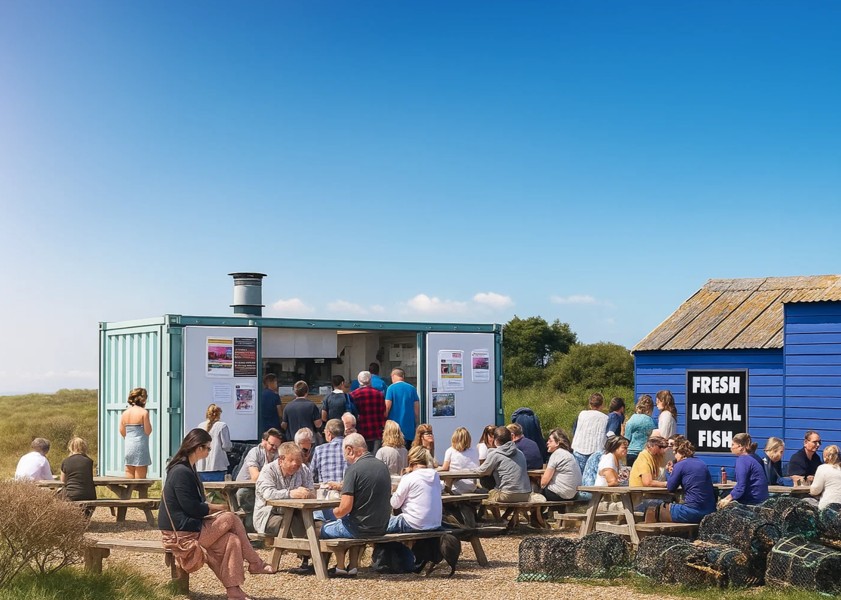
Nestled beside the Fish Hut, the Dungeness Snack Shack transforms the day’s catch into exceptional seafood lunches.

Generally open when the sun is shining, the menu celebrates freshness and simplicity: generous crab and lobster rolls, tasty fish tacos, chilli-spiced scallops and fresh fish finger sandwiches. Diners queue happily in the sea breeze, knowing they’ll be rewarded with superb coastal flavours and charm. With outdoor seating on the shingle, it’s the perfect stop for a relaxed lunch after a walk or a morning of birdwatching.

Keep an eye out for the pizza truck and pop-up cinema nights in the summer months!

The Pilot Inn

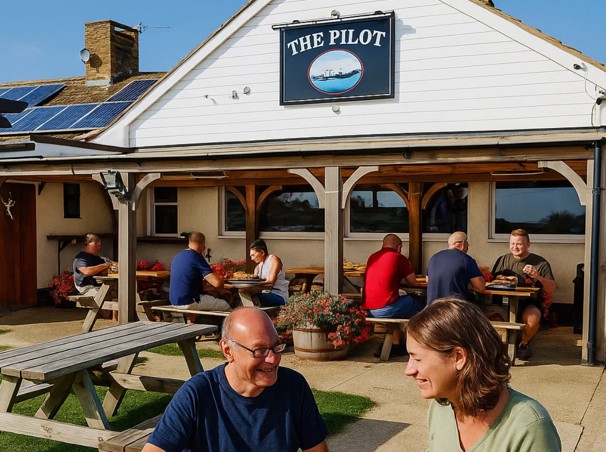
The Pilot Inn has its roots deep in Romney Marsh’s smuggling history, its origins entwined with the wreck of the Spanish vessel Alfresia, lured ashore in 1633 and salvaged by locals who used its timbers to build the inn.

Today, the Pilot is known for its generous fish and chips, served in an atmospheric pub overlooking the wild Dungeness landscape. Its spacious beer garden faces the nature reserve and the sea beyond, making it an ideal place to enjoy a meal or unwind as the sun sets over the headland.

Whether you’re refuelling after a long walk or stopping by for an evening drink, the Pilot offers hearty hospitality in one of the marsh’s most storied locations.

Offers and extras

Receive occasional news and details of special offers at the house.

Enter a valid email to subscribe.